In today’s competitive and relentlessly evolving business landscape, success demands far more than financial knowledge or strategic insight alone. Modern leadership increasingly requires endurance, clarity of thought, resilience under pressure, and the capacity to sustain high performance over extended periods of time. As industries grow more complex and the pace of change accelerates, the most effective leaders are those who combine intellectual capability with disciplined habits that support both mental and physical strength.
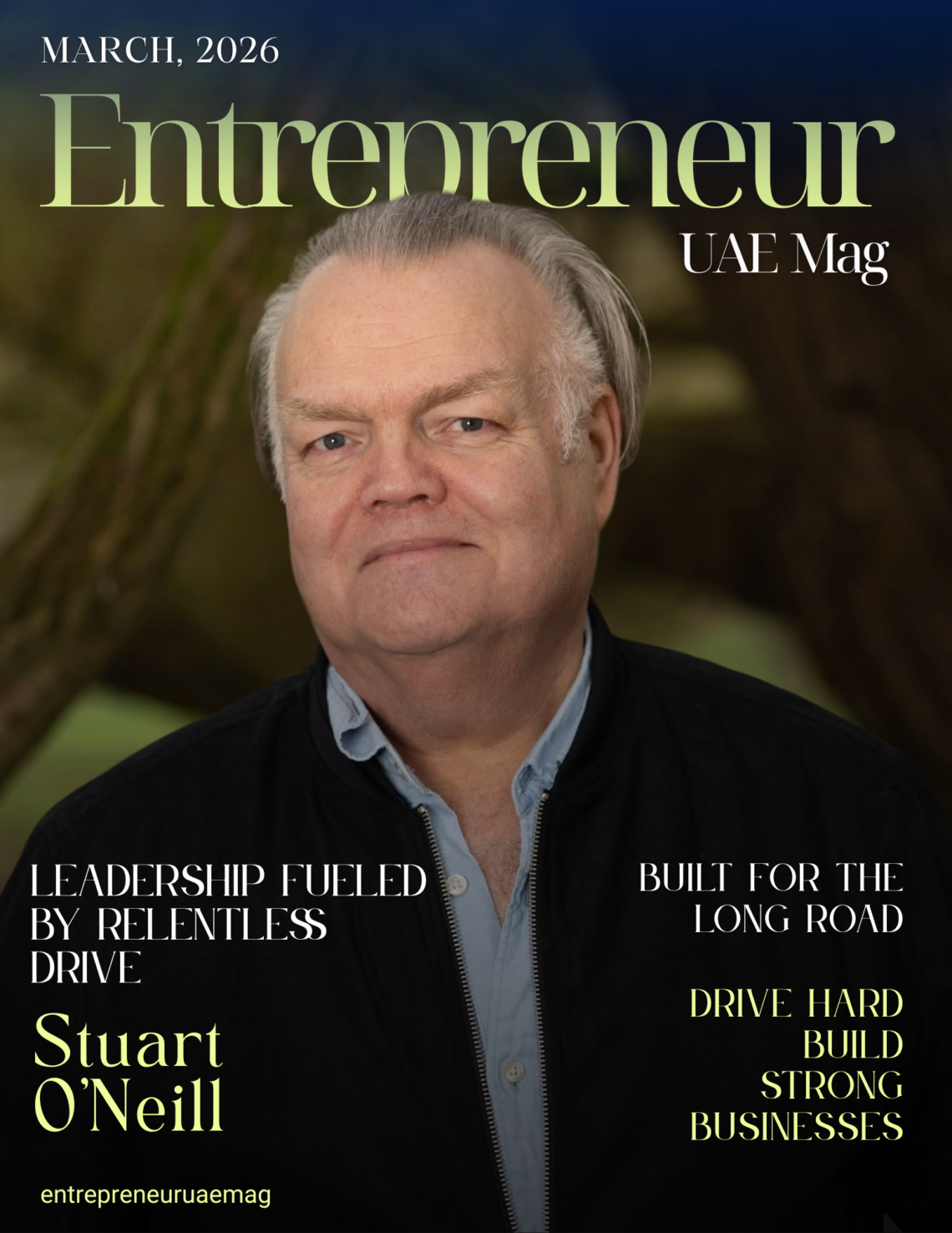
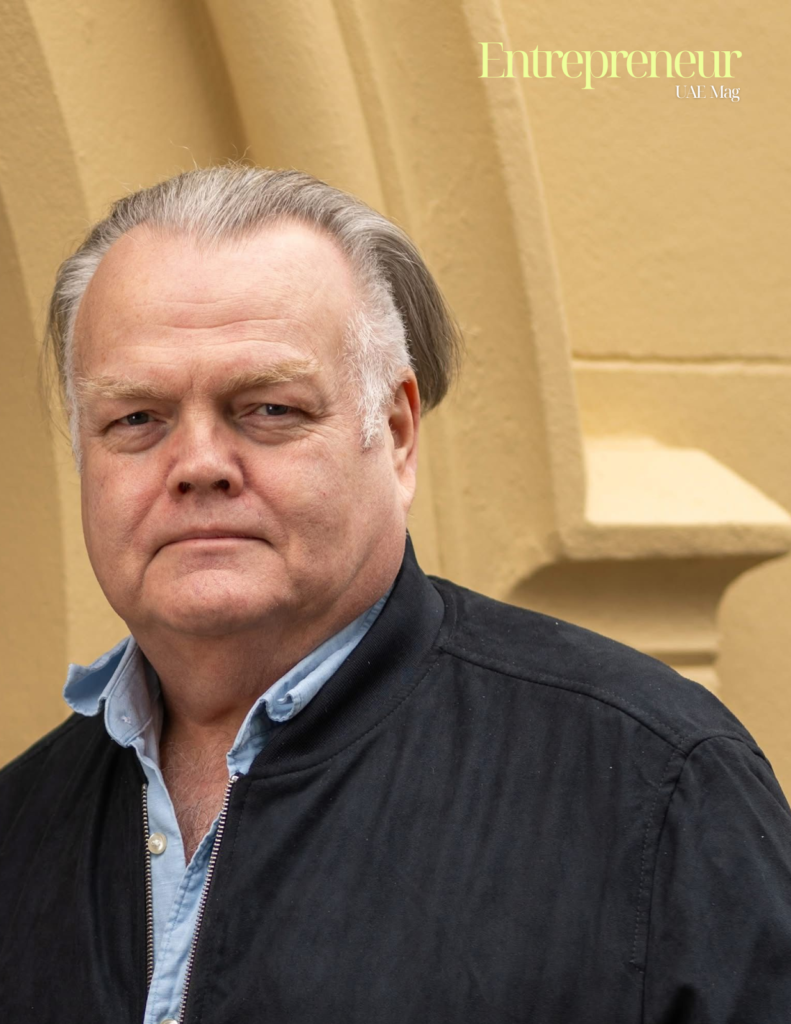
Stuart O’Neill represents a compelling example of this modern leadership model. With more than three decades of professional experience in leadership development, strategic planning, and performance optimisation, he has earned the trust of entrepreneurs, executives, and business owners seeking to build sustainable enterprises. Yet what distinguishes Stuart’s philosophy from many conventional advisors is the deep connection he draws between professional excellence and physical discipline.
For Stuart, business leadership is not merely an intellectual exercise. It is, in many respects, an endurance sport—one that requires stamina, focus, and the ability to perform consistently even under intense pressure. The principles that guide physical training, he believes, are the very same principles that allow individuals and organisations to thrive in business.
Foundations Built in the Financial Sector
Stuart’s professional journey began in the financial services industry, where he spent three decades working closely with business and commercial clients. During this period, he developed an exceptional understanding of the operational realities that companies face every day. From managing cash flow and structuring financial strategies to advising on expansion plans and navigating economic uncertainty, his role placed him at the heart of countless business decisions.
Working alongside organisations at different stages of development gave Stuart an invaluable perspective. He observed ambitious start-ups striving for growth, established companies seeking stability, and businesses struggling to overcome structural challenges. Through these experiences, he gained insight into the underlying factors that determine whether a business ultimately succeeds or falters.
One observation became particularly clear over time: success rarely depended solely on the brilliance of an idea or the scale of available resources. Instead, it often depended on the discipline and consistency demonstrated by the people leading the organisation.
The most successful leaders were those who approached their responsibilities with clarity, patience, and a structured mindset. They understood that long-term growth was built through consistent decision-making, careful planning, and the ability to maintain focus even when faced with uncertainty.
A Turning Point: Moving Beyond the Corporate Framework
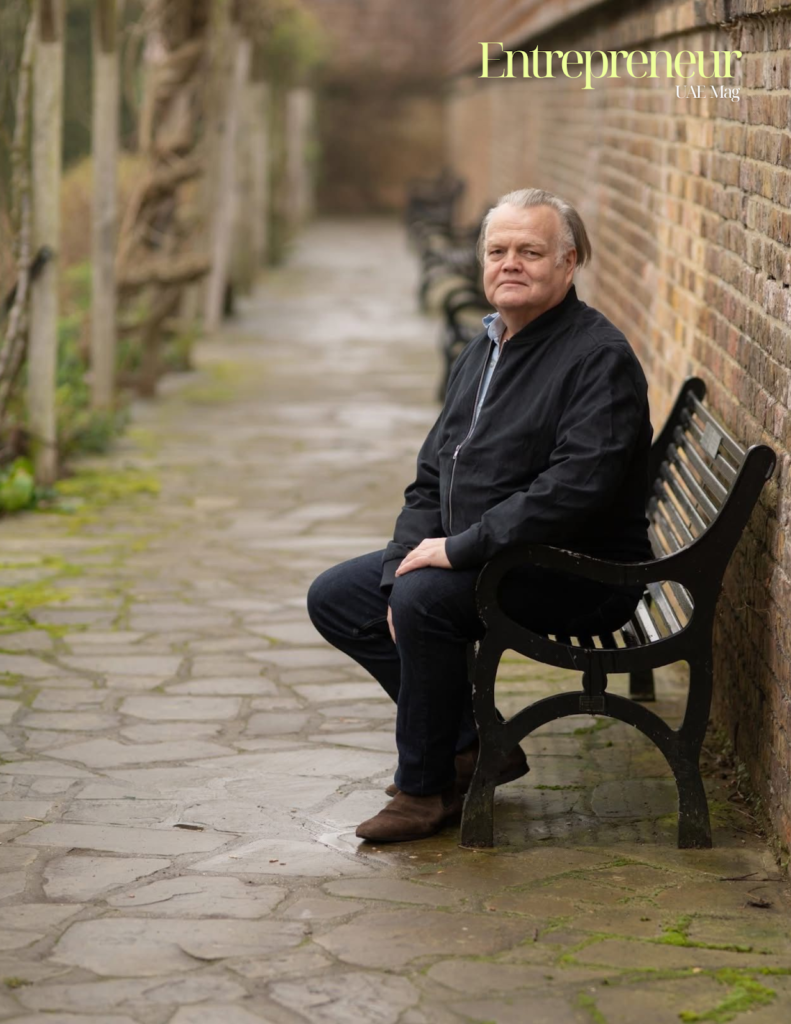
After thirty years in banking, Stuart reached a pivotal moment in his career. Having achieved significant professional success within the financial sector, he began to reflect on how he could make a deeper and more direct impact on business owners themselves.
Rather than simply advising from a financial perspective, he wanted to help entrepreneurs develop the leadership capabilities required to guide their companies through growth and transformation.
In 2015, Stuart transitioned into business coaching and advisory work. This move allowed him to work directly with business leaders, focusing not only on strategy but also on the practical implementation of systems, processes, and leadership behaviours.
The impact of his work was immediate. His ability to combine financial expertise with practical guidance quickly made him an influential figure within the organisation he joined. Within two years, Stuart was appointed to the position of Board Director, where he continues to contribute to strategic leadership while advising businesses across a wide range of sectors.
Operating from North Essex, he has collaborated with organisations in industries including information technology, construction, manufacturing, and recycling. Each engagement has reinforced his belief that leadership effectiveness depends on more than technical knowledge.
It depends on discipline.
The Role of Physical Fitness in Leadership
While Stuart’s professional achievements are impressive in their own right, an equally important dimension of his philosophy lies in his commitment to physical fitness. Unlike many executives who treat exercise as a secondary activity, Stuart regards it as an essential foundation for sustained performance.
His journey into fitness was not motivated by trends or superficial goals. Instead, it emerged from a desire to challenge himself and cultivate the same qualities required in business leadership: resilience, focus, and consistency.
In his fifties—a stage of life when many individuals begin to reduce physical activity—Stuart chose to push his limits further. He completed a series of demanding endurance challenges, including a full marathon, a 100-mile cycling event, and an even more formidable 200-mile ride.
Each of these achievements required months of preparation, disciplined training, and mental determination. Long-distance endurance sports demand patience and persistence. Progress is gradual, and success depends on the ability to remain committed even when fatigue sets in.
These experiences reinforced Stuart’s belief that the principles of physical training mirror the principles of business success.
Both require preparation.
Both require consistency.
Both require the ability to maintain focus over the long term.
Lessons Learned in the Boxing Ring
Perhaps the most striking chapter of Stuart’s fitness journey came when he stepped into the boxing ring.
Taking up boxing in his mid-fifties, he embraced one of the most demanding sports in terms of both physical conditioning and mental composure. Boxing tests strength, agility, timing, and psychological resilience all at once.
At the age of fifty-nine, Stuart entered the ring for his first—and ultimately only—fight at the legendary York Hall in Bethnal Green, a venue steeped in the history of British boxing.
The experience was transformative.
In boxing, there is no opportunity to disengage or postpone a decision. Every movement matters, and every moment requires focus. The sport teaches athletes how to remain calm under pressure and respond decisively in rapidly changing circumstances.
These are precisely the qualities required of effective business leaders.
Executives regularly face moments where they must make critical decisions with incomplete information. They must maintain composure when challenges arise and adapt quickly to changing conditions.
For Stuart, boxing became a powerful metaphor for leadership itself.
The Parallel Between Endurance and Enterprise
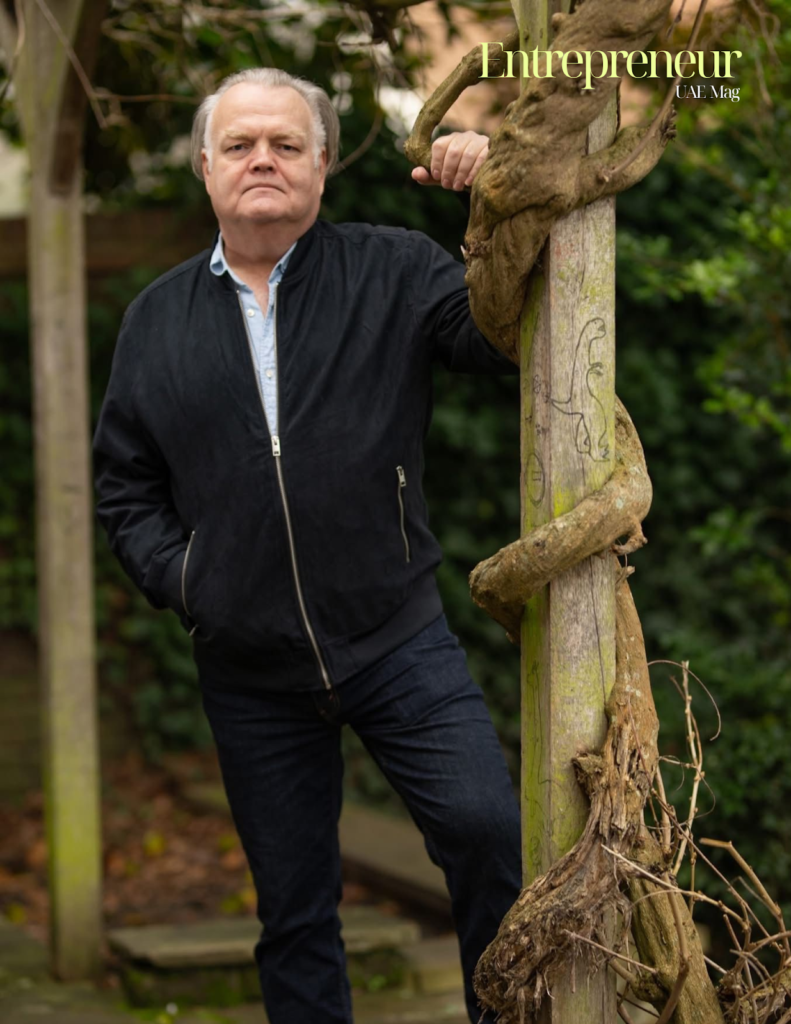
The connection between fitness and business is not merely symbolic. It reflects deeper principles about human performance.
Endurance sports such as long-distance running and cycling teach individuals to manage energy over time. Success does not come from sprinting at maximum speed but from maintaining a sustainable pace. Athletes must balance ambition with patience, pushing themselves while avoiding burnout.
Business leadership follows a similar trajectory. Growth rarely occurs overnight. Companies expand through consistent effort, careful planning, and the ability to navigate setbacks.
Stuart frequently reminds clients that building a successful enterprise resembles completing a marathon rather than a short race. Progress may feel gradual at times, but persistence ultimately produces results.
Boxing, meanwhile, emphasises adaptability. In the ring, opponents constantly change tactics, forcing athletes to adjust their strategy in real time. Similarly, businesses must remain agile in response to evolving market conditions.
Through fitness, Stuart developed a deeper appreciation for the importance of preparation, resilience, and adaptability—qualities that he now helps his clients cultivate.
Discipline as a Transferable Skill
One of Stuart’s most important insights is that discipline functions as a transferable skill.
The same habits that enable someone to maintain a rigorous training schedule also influence how they approach professional responsibilities. Waking early for training sessions fosters time management. Committing to regular exercise builds consistency. Overcoming physical challenges strengthens mental resilience.
These habits naturally extend into the workplace.
Business owners who adopt disciplined routines tend to manage their organisations more effectively. They prioritise strategic planning, follow through on commitments, and maintain focus on long-term objectives.
Conversely, leaders who lack discipline often struggle to execute their ideas. They may possess strong vision or creativity, but without structured habits, progress becomes inconsistent.
For this reason, Stuart emphasises the importance of daily routines and behavioural patterns when advising clients. Strategy alone is not enough.
Execution depends on habit.
A Collaborative Approach to Business Development
Another defining aspect of Stuart’s advisory work is his collaborative, hands-on approach. Rather than delivering theoretical recommendations from a distance, he works directly with business owners to implement practical solutions.
This may involve developing financial forecasting models, refining operational systems, or designing recruitment processes that support organisational growth. Throughout the process, Stuart remains actively engaged, ensuring that strategies translate into measurable results.
The dynamic resembles the relationship between a coach and an athlete. A coach does not simply describe the mechanics of a movement; they guide the athlete through practice, correction, and repetition until the technique becomes instinctive.
In the same way, Stuart supports his clients as they develop the skills required to manage their businesses with greater confidence and clarity.
Performance Without Burnout
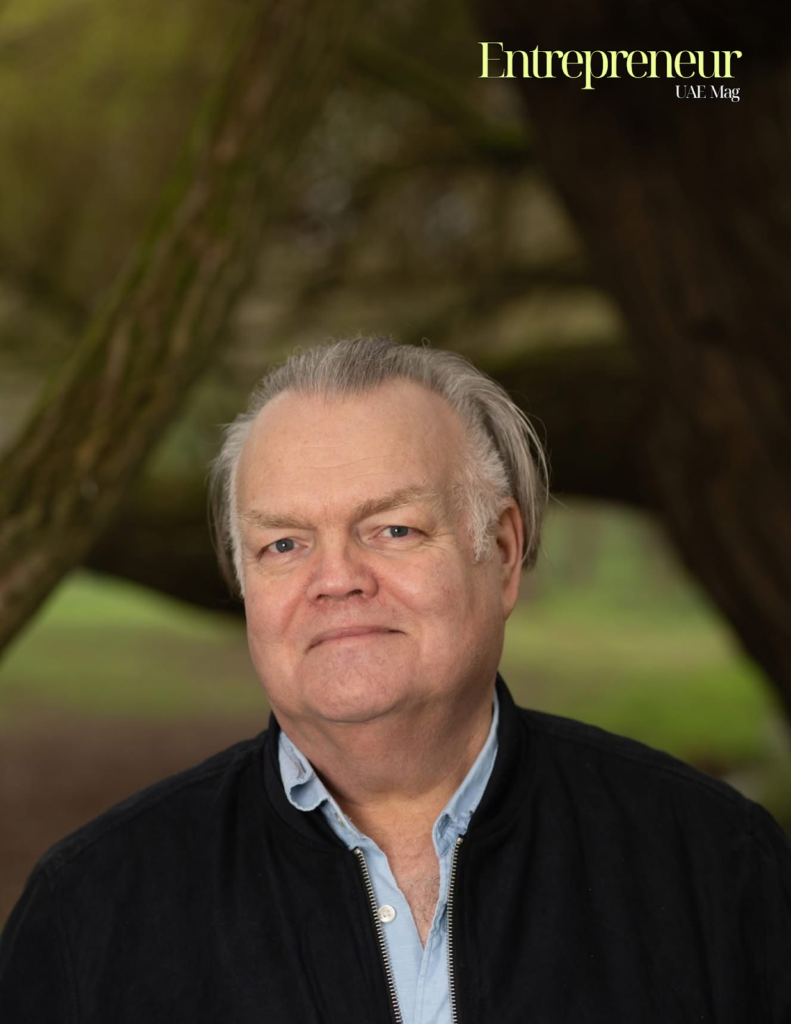
High-performing professionals often face the challenge of balancing ambition with sustainability. Intense workloads and constant pressure can lead to burnout if not managed carefully.
Drawing from his experience in endurance training, Stuart advocates for a balanced approach to performance. Just as athletes must pace themselves during long events, business leaders must manage their energy and resources effectively.
This involves creating systems that support efficiency, establishing boundaries that protect personal well-being, and maintaining habits that sustain physical and mental health.
In Stuart’s view, true success is not defined by short bursts of achievement but by the ability to perform consistently over many years.
The Emergence of the “Business Athlete”
As the demands placed on leaders continue to increase, a new concept has begun to emerge: the “business athlete.”
This term describes individuals who approach professional life with the same preparation and discipline that athletes apply to sport. They train their bodies, sharpen their minds, and develop routines that support sustained performance.
Stuart O’Neill exemplifies this model.
Through his integration of fitness, strategic thinking, and leadership development, he demonstrates how physical discipline can enhance professional effectiveness.
A Lasting Philosophy
Ultimately, Stuart’s journey offers a powerful lesson for leaders across industries.
Success—whether in sport or in business—is rarely the result of sudden inspiration. It is the outcome of consistent effort, thoughtful preparation, and the willingness to persevere through challenges.
By aligning physical discipline with professional ambition, Stuart has developed a leadership philosophy that is both practical and enduring.
His message is simple yet profound.
Train your body to strengthen your mind.
Cultivate discipline to guide your decisions.
And approach every challenge with the resilience of an athlete.
In doing so, leaders not only improve their businesses—they transform themselves.
Photographer Credit – Ron Willard